
The Constant Companion: Death in a World of Opposites
Death has always been inseparable from life. In a world defined by dualities—light and dark, joy and sorrow, youth and age—death remains the quiet constant, woven into every human experience.
Now in my mid-forties, I’ve encountered death in many forms. There have been tangible losses: beloved pets, friends, and relatives. But there have also been quieter, more abstract deaths—the end of relationships, the fading of dreams, the closing of chapters that once defined who I was.
And yet, from each ending, something else begins.
As Robert Frost once wrote,
“In three words I can sum up everything I’ve learned about life: it goes on.”
Grief and Continuity: Learning to Live After Loss
Grief can feel all-consuming. There are moments when loss seems so profound that continuing forward feels impossible. And yet, life persists. The sun rises, the world moves, and somehow, so do we.
But this raises a deeper question: how do we continue—not just physically, but emotionally—after loss? And what happens when the person we mourn isn’t someone we knew personally, but someone who shaped our lives from afar?
Public Grief: Why Celebrity Deaths Feel Personal
For many of us, our understanding of mortality is shaped not only by personal loss but by public ones.
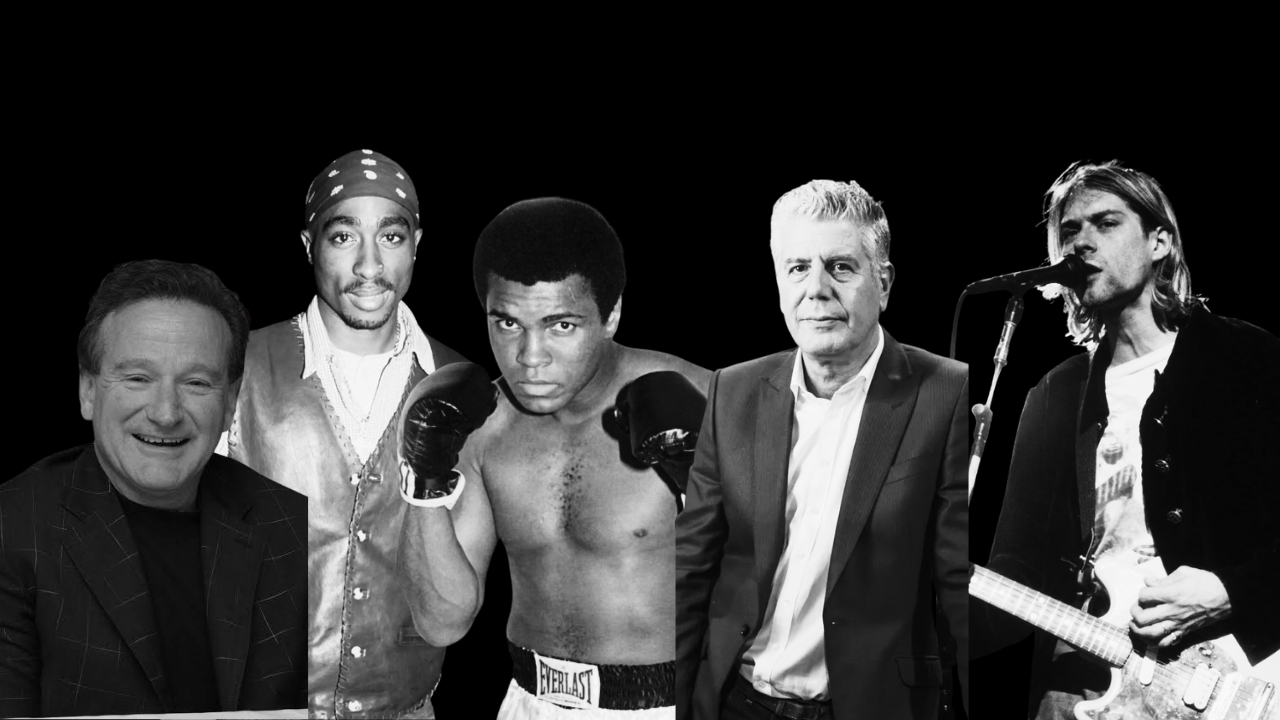
Generations have long been marked by the deaths of cultural icons. The loss of artists like Kurt Cobain and Tupac Shakur forced young audiences to confront mortality earlier than expected—just as earlier generations had with Jimi Hendrix, Jim Morrison, and Janis Joplin.
In more recent years, the deaths of Robin Williams and Anthony Bourdain struck a particularly deep chord. These were individuals who seemed to embody vitality, creativity, and connection—yet their struggles revealed the often invisible battles people face.
Their deaths didn’t just mark the loss of talent; they opened global conversations about mental health, loneliness, and the fragility of even the brightest lives.
Similarly, the passing of icons like Prince, David Bowie, and Muhammad Ali reminded us that even legends are not exempt from time.
More recently, each new wave of celebrity deaths—shared instantly across social media—creates a kind of collective mourning. Names trend, tributes pour in, and for a moment, millions of people pause to reflect on a life they may have never personally known, yet somehow felt connected to.
A Digital Age of Mourning
Today, grief is no longer a private experience alone. Online spaces have become modern gathering grounds for collective remembrance.
While writing Death: An Exploration, I encountered communities of strangers offering comfort, empathy, and understanding to one another. People who had never met formed bonds through shared grief, proving that connection can exist even in the most intangible spaces.
These digital communities cannot replace the presence of loved ones, but they offer something uniquely human: the reassurance that no one grieves alone.
Facing the Inevitable: How We Make Meaning of Death
Death will touch all of us—repeatedly, in different forms, over the course of our lives.
We lose people. We lose versions of ourselves. We lose dreams we once believed were certain.
And yet, the meaning we assign to these losses shapes how we endure them.
Perhaps celebrity deaths resonate so deeply because they mirror our own fears and questions. They remind us that no amount of success, talent, or recognition grants immunity from life’s final truth.
But they also remind us of something else: the enduring impact of a life lived fully.
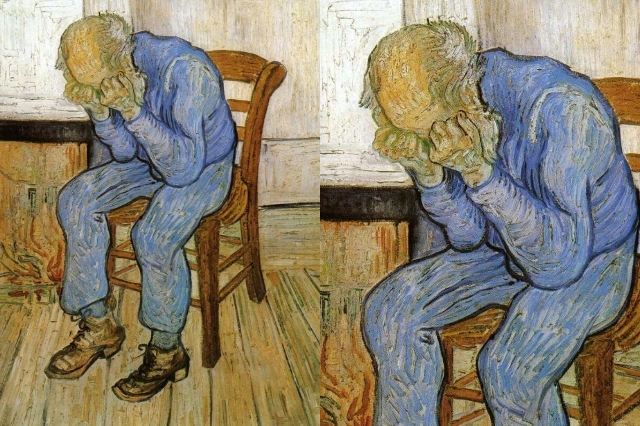
Sorrowing Old Man (At Eternity’s Gate)’ by Vincent Van Gogh, May 1890
Life Goes On—But Not Unchanged
Death does not simply end things; it transforms them.
The people we lose continue to exist in memory, in influence, in the subtle ways they have shaped who we are. The same is true for the public figures who inspired us—their work, their voice, their presence lingers.
Life goes on, as it always does. But it does not go on unchanged.
And perhaps that is where meaning resides—not in avoiding death, but in understanding how it deepens our experience of being alive.

0 Comments