

What keeps us alive?
At first glance, the answer seems obvious: biology, instinct, survival mechanisms. But beneath these lies something more psychological and deeply human — fear.
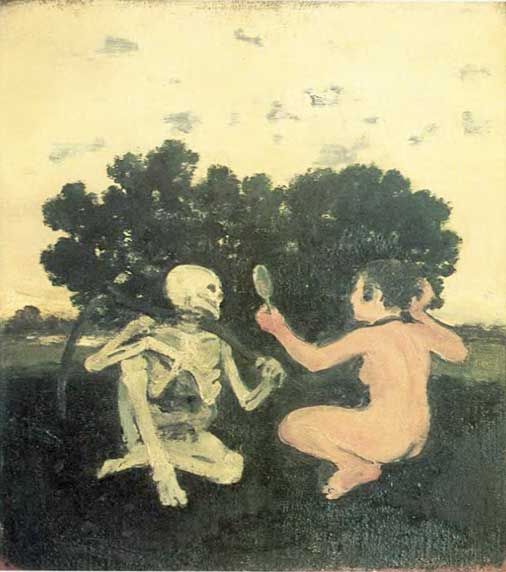
Fear, particularly fear of death, may be one of the most powerful forces guiding our decisions, shaping our risks, and influencing how we experience joy. It is both a protector and a prison. It preserves life — and sometimes prevents us from fully living it.
The Survival Instinct and the Dread of the Unknown
Part of our fear of death stems from mystery. We do not know what comes next — if anything comes next. The unknown has always unsettled the human mind.
Speculation about what follows life is not always comforting. For some, it is terrifying. For others, it is simply unimaginable. This uncertainty fuels anxiety and explains why death consistently ranks among humanity’s greatest fears — alongside public speaking and, for some, even political outcomes.
Fear of death keeps most people from stepping into traffic during moments of despair. It anchors us when we teeter at emotional edges. In this way, fear serves as a guardian.
And yet, fear does not operate the same way for everyone.
Dancing on the Edge: When Fear Becomes Fuel
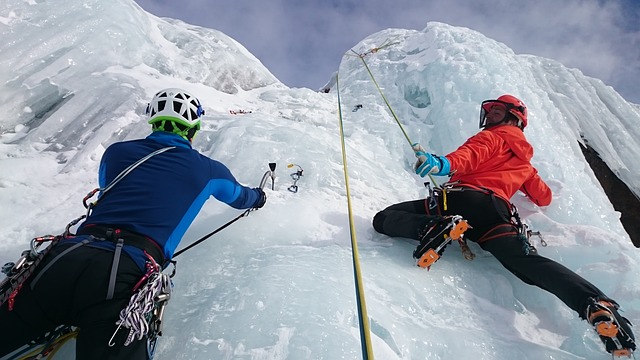
Some people move toward danger rather than away from it. Risk-takers — extreme athletes, thrill-seekers, daredevils — deliberately flirt with mortality.
For them, the proximity to danger heightens sensation. The rush of adrenaline and surge of endorphins create a powerful reward system. In these moments, fear is not paralyzing. It is intoxicating.
This paradox reveals something important: fear is not merely a stop sign. It can also be a catalyst. It sharpens awareness. It intensifies the experience. It reminds us we are alive.
Fear, then, is a double-edged force. It restrains, and it propels.
Near-Death Encounters and Shifting Perspectives
Many people experience moments when death feels close — a serious illness, an accident, a narrow escape. These encounters often transform perspective.
Suddenly, the mundane becomes meaningful. We reevaluate what we have taken for granted. Relationships matter more. Time feels precious.
There are also those who become so ill or weary that fear subsides and death begins to feel like release. Others report near-death experiences that reshape their understanding of existence altogether, such as accounts shared by figures like Anita Moorjani.
Whether one interprets such experiences spiritually, psychologically, or skeptically, they demonstrate the powerful intertwining of fear and mortality.

Learning from Nature: Death as Part of Life
Fear often isolates death as something separate — an intruder into life. But nature tells a different story.
As naturalist John Muir observed:
“Let the children walk with Nature, let them see the beautiful blendings and communions of death and life… and they will learn that death is stingless indeed, and as beautiful as life.”
In forests and meadows, decay feeds growth. Endings nourish beginnings. Death is not an interruption but a transformation.
When we see life this way, fear softens. It does not disappear, but it becomes contextual — part of a larger cycle rather than a solitary catastrophe.
The Quiet Background of Our Lives
It is remarkable that death is not on our minds constantly. Instead, it lingers in the background — like a distant gray storm moving in and out of awareness.
We make popcorn.
We catch the bus.
We plan birthdays.
We dream of vacations.
All the while, mortality quietly frames the urgency and sweetness of these moments.
The storm is not always visible. But it is always there.
How Our Fear of Death Defines Our Lives
The real question is not whether we fear death. Nearly everyone does, in some form. The deeper question is how that fear shapes us.
Does it paralyze us?
Does it push us toward reckless escape?
Or does it remind us to live deliberately?
In exploring death — as in Death: An Exploration — the goal is not morbid obsession. It is a conversation. Death is one of the few topics that unites every human being, yet it remains strangely absent from everyday dialogue.
And perhaps the most comforting realization is this: in death, as in life, we are not alone.
Every living being moves toward the same horizon. We dwell together in the mysterious totality of existence — connected in our fragility, united in our uncertainty, bound by the same inevitable end.
Fear of death may cast shadows on our days. But it is also what makes those days matter.



0 Comments