
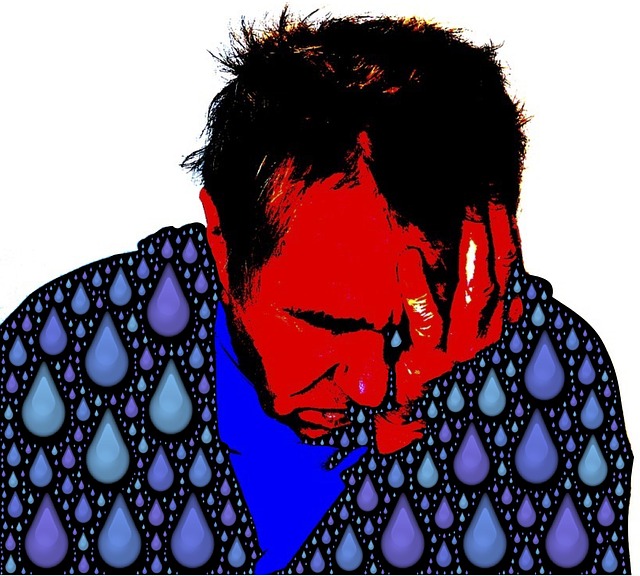
Death and loss are inseparable forces in the human experience. They shape how we love, how we grow, and how we understand our place in the world. No one can replace a mother, father, sibling, or cherished friend. Every person is unique, and every loss leaves a lasting mark.
When someone dies, their physical presence disappears forever. This reality is part of life’s natural order—an order deeply intertwined with loss. Yet within this painful truth lies an invitation to reflect on what it means to be alive.
The Many Forms of Loss We Carry
Loss does not arrive only through death. We lose careers, relationships, youth, possessions, routines, and even parts of our identity. We lose friends to distance, dreams to circumstance, and sometimes ourselves to expectations.
Paradoxically, these losses often create space for growth. A failed relationship may lead to self-discovery. A lost job may open the door to a better calling. Even heartbreak can sharpen our understanding of what truly matters.
Through loss, we are forced to adapt. In doing so, we often uncover strength we never knew we possessed.

When Letting Go Becomes Necessary
Some losses, though painful, are essential. Baby teeth fall so adult teeth can grow. Old habits fade so healthier ones can form. Relationships sometimes end because they have fulfilled their purpose.
When we reflect on mortality, we begin to understand that life involves an unavoidable bargain: we receive moments of beauty, love, and meaning, but we must also accept impermanence.
To live fully is to embrace both joy and loss—knowing that one cannot exist without the other.
The Inescapable Reality of Mortality
We are all bound by the certainty of death—our own and that of those we love. No achievement, belief, or possession exempts us from this truth. This realization can feel overwhelming, even terrifying.
Yet, for some, accepting mortality becomes a source of peace. Death can be seen not only as an ending, but as a release from suffering and struggle. It reminds us that time is limited and therefore precious.
Humanity has long wrestled with this paradox: fearing death while seeking to understand it.

Voices on Death: Wisdom from History
Throughout history, thinkers and artists have attempted to make sense of mortality:
“Men fear death as children fear to go in the dark; and as that natural fear in children is increased by tales, so is the other.”
— Francis Bacon
“As death… is the true goal of our existence… his image is not only no longer terrifying to me, but is indeed very soothing and consoling.”
— Wolfgang Amadeus Mozart
“That which is as universal as death must be a benefit.”
— Friedrich von Schiller
These reflections suggest that fear of death is often shaped by imagination and uncertainty. With understanding, fear can give way to acceptance—and even gratitude.

How Death and Loss Give Life Meaning
Without loss, love would lose its urgency. Without endings, beginnings would lose their power. Mortality gives weight to our choices and depth to our relationships.
Knowing that nothing lasts forever encourages us to:
- Love more openly
- Forgive more quickly
- Appreciate small moments
- Pursue what truly matters
In this way, death and loss do not merely take from us—they also teach us how to live.
An Invitation to Reflect
Your perspective matters.
- What insights do these quotes bring to your own understanding of mortality?
- Have your experiences with loss changed how you see life?
- Do you believe there is a deeper connection between death and meaning?
By sharing our reflections, we remind one another that while loss is universal, so is resilience, compassion, and hope.


0 Comments