
From the United States to Scandinavia: Discovering a Different Way of Life
I have traveled around the globe and seen many countries, experienced different cultures, and had the good fortune to meet many interesting people. But no matter where I go, I will always be from the United States, where I was born and have lived for most of my life.
My chosen profession has given me the flexibility to make life-altering choices and experience places I might otherwise never have known—a perk of being a writer.
For years, I never imagined that one of those choices would eventually lead me to Scandinavia.
New York to Sweden: An Unexpected Journey

A great deal of my life has been spent in New York State. Although I’ve traveled quite a bit, I had never expected to visit Scandinavia, although I was interested in exploring this part of the world someday. Never in my most fanciful dreams did I imagine that I would one day reside in Sweden.
Yet here I am.
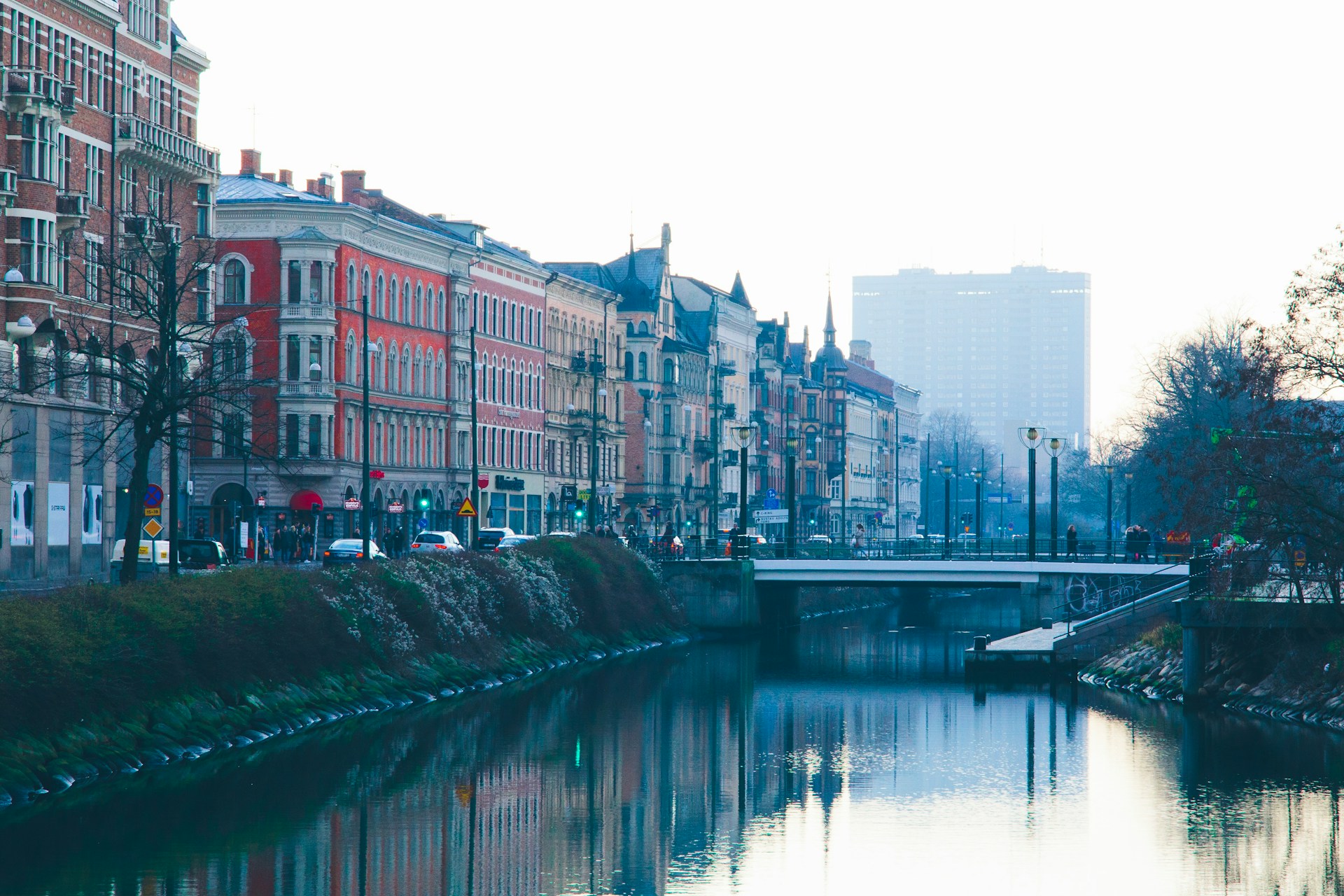
I live in Malmö, an amazing city that does a remarkable job of blending nature with the man-made and the old with the new. The city offers a fascinating glimpse into how a society changes while still preserving its past.
You only have to look around to see the layers of history. For centuries—long before the founding of the United States—people here have gathered in the same churches, conducted business in historic buildings, and met for coffee in cafés around the same squares.
There is something striking about living in a place where the past is not simply remembered but remains part of everyday life. The longer I live here, the more enchanted I become with this part of the world.
What I Noticed About Scandinavian Life
One of the first things that struck me about Scandinavia was the atmosphere of everyday life.
Life is usually quieter, and many people often seem content. This felt like a stark contrast to what I had become accustomed to in the United States, where conversations can quickly turn toward politics, work, neighbors, money, or the latest thing that has gone wrong. It feels like everyone is chasing happiness, rather than letting life unfold.
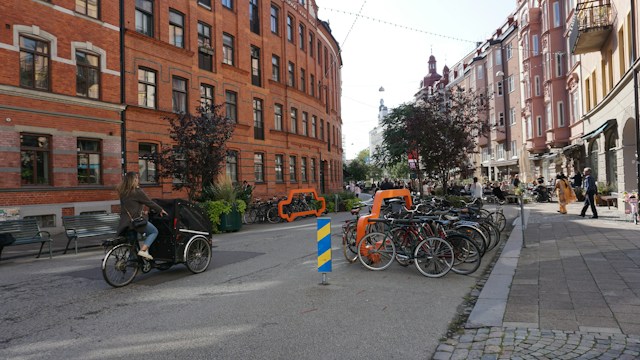
Walk through Copenhagen (only a short train ride from Malmö), and you see something different. People meet friends, gather in cafés, ride their bicycles, spend time outdoors, and seem to take genuine pleasure in ordinary moments.
There is an ease to it that caught my attention.
Of course, no society is perfect, and Scandinavians have their own problems and frustrations. But from my perspective as an American living here, there appears to be a different relationship with work, leisure, community, and the simple pleasures of everyday life.
That difference made me curious.
What makes life here feel so different?
The Scandinavian Idea of Happiness and Why the Nordic Countries Seem So Happy
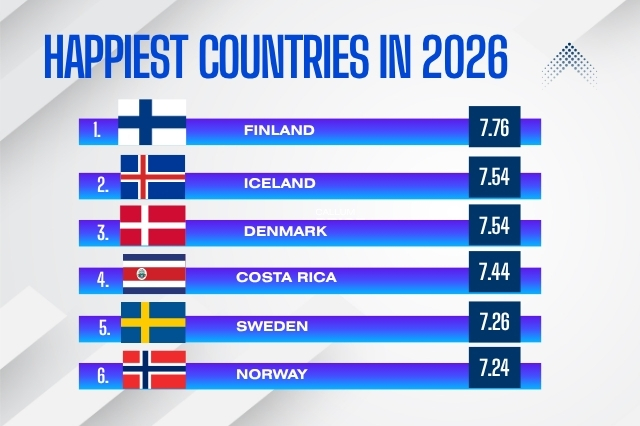
The question of Nordic happiness isn’t new. For years, Finland, Denmark, Iceland, Sweden, and Norway have occupied the top spots in the World Happiness Report. And the latest numbers are pretty remarkable: in 2026, Finland was named the world’s happiest country for the ninth year in a row. Iceland came second, Denmark third, Sweden fifth, and Norway sixth. The United States ranked 23rd.
So what are the Nordics doing differently?
There’s no single answer. The report looks at things like income, health, social support, freedom, generosity, and trust. Nordic countries tend to score well on many of these measures, particularly in social support and trust.
And I think there’s something deeper going on.
Nordic societies seem to have a slightly different idea of what a successful life looks like. Education, healthcare, family life, time off, and social security are treated less as individual luxuries and more as means of creating a good society.
That stands in interesting contrast to the American mindset I grew up around.
In America, achievement is often the goal or simply the pursuit of more, bigger, and better. Work harder. Earn more. Buy more. Get promoted. Stand out. Build something. There’s plenty to admire about that attitude. Ambition has driven an enormous amount of innovation and opportunity.
But sometimes I wonder: what happens when we become so focused on getting ahead that we forget to ask whether we’re actually enjoying the life we’re building?
That may be one of the most interesting differences.
The Nordic approach doesn’t reject ambition. It just seems a little less obsessed with it. There’s greater emphasis on having time for family and friends, taking a vacation without feeling guilty, and knowing that if life goes sideways, you won’t necessarily have to deal with everything alone. Almost everyone has not only a Plan B, but C, D, and F. The social safety net seems to lessen the burden of stress on most people.
And the latest happiness research makes that idea even more interesting.
The 2026 World Happiness Report highlights growing concerns about social connection, particularly among younger people. Young adults in North America and Western Europe are considerably less happy than they were 15 years ago. The report also explores the complicated relationship between social media, loneliness, trust, and real-world relationships. World Happiness Report 2026: Happiness and Social Media
That makes me wonder if happiness is less about what we own and more about our meaningful connections with nature and people.
Nature can be embraced by anyone, but it takes time and effort to cultivate strong relationships with people. This is something that many struggle with, even in Sweden (in Denmark, folks are more social), but here most people have more time to connect.
The Nordic countries certainly aren’t perfect. They have plenty of problems of their own—high costs, demographic challenges, immigration debates, alcohol-related problems, and long, dark winters, to name a few. And obviously, Finland isn’t America with a wider variety of weather and a different tax system. Comparing a handful of relatively small Nordic countries with the enormous cultural and economic diversity of the United States only gets us so far.
Moreover, there are some issues that people take with the World Happiness Report and its findings with a degree of legitimacy. Still, the rankings are hard to dismiss.
Maybe the Nordic secret isn’t that people have discovered some magical formula for happiness. Perhaps they’ve simply built societies that make it a little easier to live a good life.
Maybe the more interesting question for the rest of us is:
What if a successful society isn’t the one that helps people achieve the most—but the one that helps people enjoy their lives no matter what they’ve achieved?
Two Countries, Two Different Experiences
The contrast becomes even more interesting when I look at the United States.
In the 2018 World Happiness Report, the U.S. ranked 18th, while several Nordic countries remained near the top. Since then, the gap has become more striking. In the 2026 report, as mentioned, the U.S. ranks 23rd, while Finland, Iceland, Denmark, Sweden, and Norway remain among the world’s highest-ranked countries.
That difference has made me wonder:
Why do these countries approach life so differently, and what might that tell us about our own ideas of happiness and success?
I don’t pretend to have a simple answer. Happiness is shaped by culture, history, economics, expectations, and countless individual circumstances. The Nordic countries have their own challenges, just as the United States has many qualities worth celebrating. And rankings can only tell us so much about what life actually feels like for the people who live there.
But moving from the United States to Sweden has given me something I didn’t expect: distance.
Sometimes you need to step outside your own culture to recognize the assumptions you have been living with. Things that once seemed normal—how we work, how we measure success, how much we value independence, and how we think about community—can look very different from the other side of the Atlantic.
Living in Sweden hasn’t given me all the answers. If anything, it has given me better questions.
What makes a life successful? How much should we value achievement compared with time, relationships, and security? And what role should society play in helping people build a life they actually want to live?
Those questions are ultimately bigger than Sweden or the United States.
I came to Scandinavia expecting to discover another part of the world. Instead, I began discovering a different way of looking at my own.


0 Comments