
As a child, I remember my parents taking me each year to Main Street in the small village of Sherman, New York, for the Memorial Day parade. Elderly men marched in faded pea-green and ash-gray uniforms, rifles resting on their shoulders, but they were not what captured my attention.
What fascinated me were the young women riding atop colorful floats, tossing handfuls of penny candy into the crowd. We children, scrambled after the sweets as though they were treasure spilling from a broken piñata. In those bright, uncomplicated days, war existed only as an abstraction to me—a distant spectacle where men lined up heroically, but no one truly suffered.
Now, although I have never served in the military, the realities of war are impossible to ignore. The images of devastation, trauma, and loss no longer belong to history books or patriotic ceremonies; they linger in the collective consciousness of our modern world.
From Decoration Day to Memorial Day
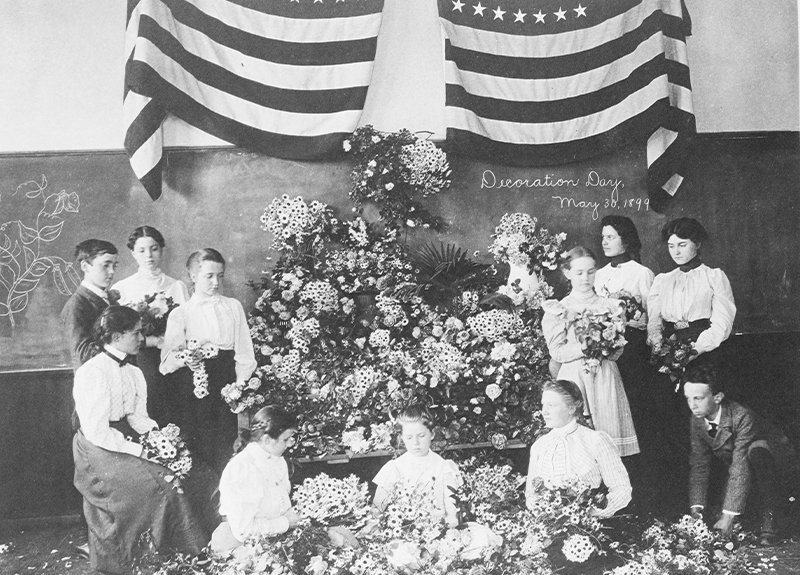
Memorial Day began in the aftermath of the U.S. Civil War as “Decoration Day,” a time set aside to honor fallen Union soldiers. It was traditionally observed on May 30th, regardless of the day of the week, with communities decorating graves and holding ceremonies of remembrance.
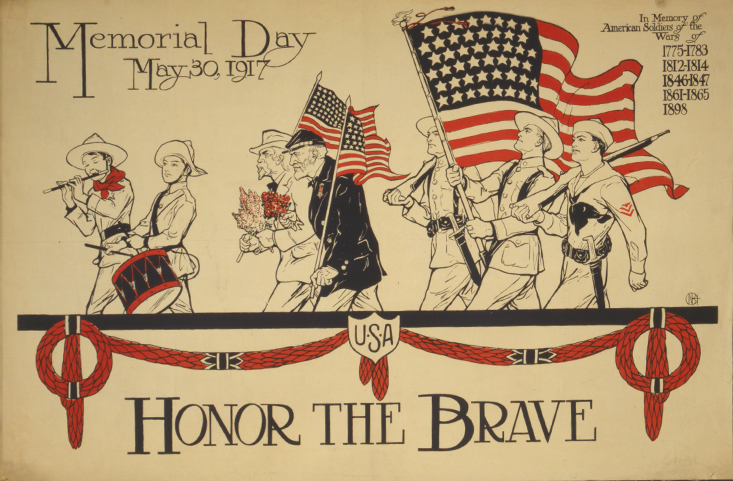
After World War I, the holiday evolved into Memorial Day, broadening its purpose to honor all American military personnel who died in service. The Uniform Monday Holiday Act of 1968 later moved the observance to the final Monday in May, creating the now-familiar three-day weekend.
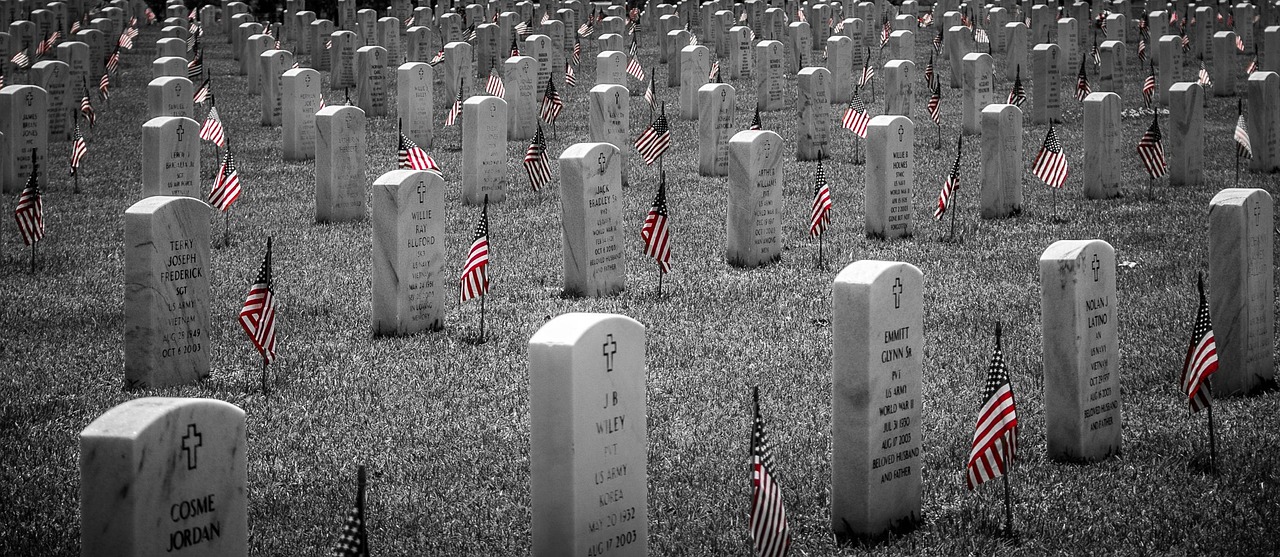
Traditionally, Memorial Day is marked by flags placed at cemeteries, solemn speeches, and parades honoring veterans. Yet over time, the holiday has drifted away from remembrance and toward recreation. For many Americans today, Memorial Day signals the unofficial start of summer—a weekend associated more with barbecues, crowded beaches, and alcohol than with reflection on sacrifice and loss.
In this transformation, something essential may have been lost.
Remembering the Dead, Forgetting the Reasons
Officially, Memorial Day exists to honor those who died serving their country. We are told they sacrificed their lives so that future generations might enjoy freedom, liberty, and security.
But the language of patriotism often simplifies the complex realities behind war itself.
As long as the fallen are remembered only through generalized ideals of sacrifice and heroism, we rarely examine the political decisions and motivations that led them into battle. The causes behind wars—the ambitions, fears, economic interests, and failures of leadership—are often pushed aside in favor of comforting national narratives.
The United States has fought in numerous conflicts since the Civil War: the Spanish-American War, World War I, World War II, Korea, Vietnam, Iraq, Afghanistan, and countless military interventions in between. Each conflict emerged from different historical conditions and carried different consequences. Yet public memory frequently compresses them into a single broad story of patriotic duty.
By doing so, we risk reducing individual human lives to symbols rather than understanding the unique circumstances that shaped their sacrifice.
The Human Reality Behind Patriotism
War is often framed in noble and abstract terms, but its reality is painfully concrete. Behind every patriotic slogan are shattered bodies, grieving families, psychological trauma, and civilian casualties that extend far beyond national borders.
Memorial Day ceremonies rarely acknowledge the political leaders who authorize wars while remaining far removed from the battlefield itself. Nor do they often recognize the innocent civilians caught in the violence—people whose suffering becomes invisible within nationalistic narratives.
The Vietnamese child killed during the Vietnam War, the Iraqi family destroyed by aerial bombings, the young American soldier returning home psychologically broken—these lives exist outside the polished language of military commemoration, yet they are inseparable from the true cost of war.
To remember honestly means confronting not only courage and sacrifice, but also tragedy, moral ambiguity, and human suffering.
The Veterans We Forget
Memorial Day asks Americans to honor the dead, but too often society neglects those who survive war and carry its consequences home with them.
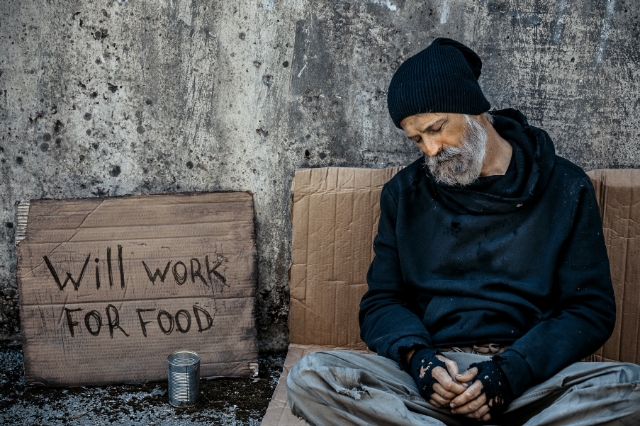
Long after the parades end and the grills are put away, many veterans continue to struggle with homelessness, addiction, PTSD, disability, and isolation. Across major cities in the United States, veterans stand on street corners holding signs asking for help—living reminders that patriotic rhetoric does not always translate into meaningful support.
According to the National Coalition for Homeless Veterans, veterans make up a disproportionate portion of the homeless population in the United States. Many served honorably, yet still returned to lives marked by instability and neglect.
A nation that claims to honor sacrifice must do more than celebrate military service symbolically one day each year. Genuine respect for veterans requires long-term commitment: healthcare, housing, mental health support, and a willingness to reckon honestly with the consequences of war.
A More Meaningful Form of Remembrance
Memorial Day should be more than a ritual of patriotic nostalgia. It should be an opportunity for reflection—not only on those who died, but on why wars are fought, who benefits from them, and what obligations remain to those who survive them.
To honor veterans meaningfully is not to glorify war or accept it uncritically. It is to become informed citizens willing to question military conflict whenever possible and to recognize the profound human cost behind political decisions.
War leaves scars not only on soldiers but on entire societies. If Memorial Day is to retain its meaning, remembrance must extend beyond ceremony. It must include accountability, compassion, and a sincere effort to prevent unnecessary suffering in the future.
Only then can remembrance become something more than tradition. Only then can it become an act of conscience.


0 Comments