
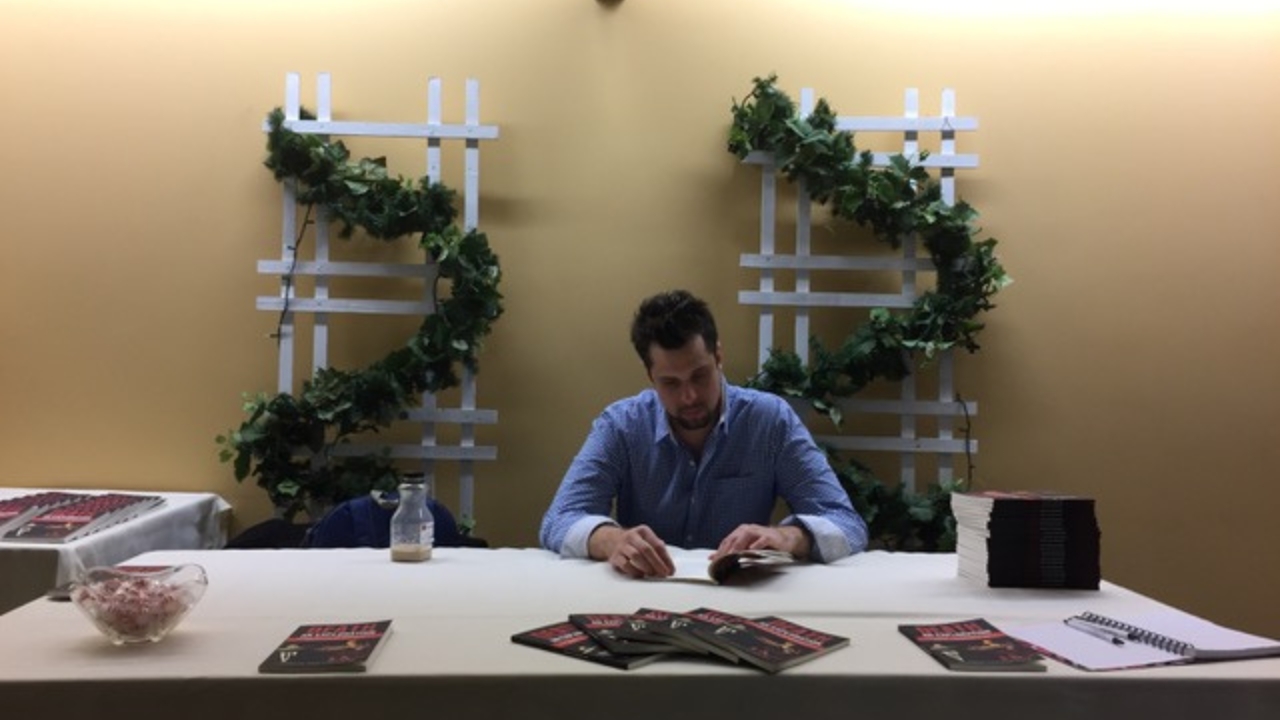
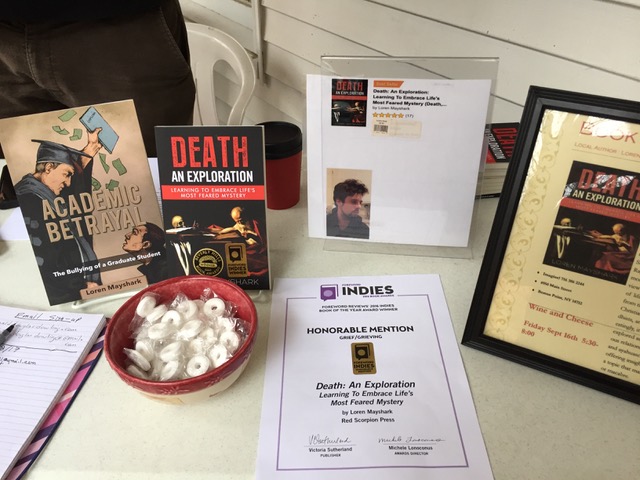
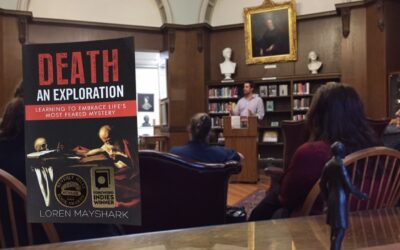
It has now been ten years since publishing Death: An Exploration, and in that decade, more has changed than I could have anticipated. Many people imagine that publishing a first book is a momentous, even life-altering event. Before it happened, I spent long stretches imagining what it might feel like to become an author.
Looking back now, I can say the experience was both life-changing and strangely ordinary. It altered my internal landscape far more than my external circumstances.
The Complex Reality of Publishing a First Book
When the book was released, it was both more and less successful than I expected. Many readers embraced it, and I received a great deal of thoughtful and encouraging feedback, alongside a few less enthusiastic responses. This was my first experience being read—and judged—by a wider audience. It was both exhilarating and humbling.
I threw myself into marketing the book, determined to do everything myself. In hindsight, I realize I should have started much earlier and approached it more strategically. Still, there was a thrill in watching it climb the rankings and knowing that strangers were engaging with ideas that had once existed only in my private thoughts.
Eventually, the initial adrenaline faded. The excitement gave way to routine, and I returned to what writers inevitably do: begin again.
The Emotional Highs—and Practical Limits—of Early Success
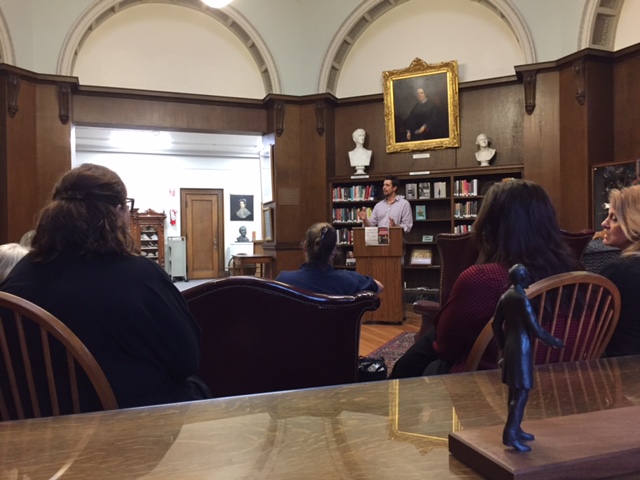
Publishing the book opened doors to experiences I had never known before. I gave talks, signed copies, and spoke with readers face-to-face. These moments were deeply meaningful. They affirmed that the work had found its way into other people’s lives.
At the same time, the practical realities were sobering. Selling over a thousand copies in a relatively short period was gratifying, but it was not enough to support a full-time writing life. Like many authors, I continued working other jobs while pursuing writing with equal seriousness.
Since then, I have published two more nonfiction books. Each brought its own milestones and satisfactions. Yet nothing quite matched the raw intensity, vulnerability, and excitement of the first.
Discovering What Success Truly Means
Over the past ten years, readers have continued to share how the book affected them. Some told me they read it in a single sitting. Others said they returned to it more than once. A few shared that it helped them navigate grief or confront their own fears about mortality.
These responses have meant more than any sales number ever could.
To know that something I created helped another person reflect, heal, or see their life differently is the greatest reward writing has given me.

How Writing About Death Changed the Way I Live
One of the unexpected gifts of writing about death was the clarity it brought to life. Spending so much time contemplating mortality reshaped my priorities. It made me more aware of time’s fragility and more appreciative of ordinary moments.
It also helped me cope more fully with loss. Death no longer felt like an abstract inevitability, but a defining feature of the human experience—one that gives urgency and meaning to our existence.
This shift in perspective has made the past decade the most meaningful period of my life. I have lived with greater intention, greater gratitude, and a clearer sense of what matters.
A Decade Later: Reflection, Gratitude, and Endurance
Over the years, I have encountered countless ideas, conversations, and perspectives that could easily fill another book. The thought of writing a sequel has crossed my mind more than once. But for now, I am content to let the original work stand on its own.
There is a quiet satisfaction in knowing that the book exists—that it continues to find readers, to provoke thought, and to live beyond the moment in which it was written.
A decade later, I remain deeply grateful to everyone who has read it, shared it, and carried its ideas forward. A book, once published, no longer belongs solely to its author. It becomes part of the lives of its readers.
Today, the book sits on my shelf not just as a product I sold, but as a teacher I learned from. To everyone who has kept these words alive for the last ten years: Thank you. You have given this book a life of its own.
I hope that it will continue to endure—not just because it focuses on death, but because it ultimately speaks about how to live.
0 Comments