

Writing, Travel, and the Market’s Inspiration
Writing books often draws from experiences, perspectives, inspiration, and purpose. This is a look back at my visit to the Sant’Ambrogio Market in Florence, which offered all of these at once. This wasn’t just a class outing—it became a moment of cultural immersion that broadened my perspective, inspired reflection, and gave me a mission: to uncover the mystery of lampredotto.
An Italian Immersion Assignment
As the final activity in my Italian immersion class, our group visited the Sant’Ambrogio Market. We were paired into teams and tasked with challenges—like discovering what lampredotto was, how Florentines prepared it, and, most daunting of all, interviewing a local vendor in Italian. My partner was Shobani, a 19-year-old Australian studying abroad, and together we ventured into the bustling market, equal parts excited and nervous.
First Impressions: The Market’s Timeless Energy
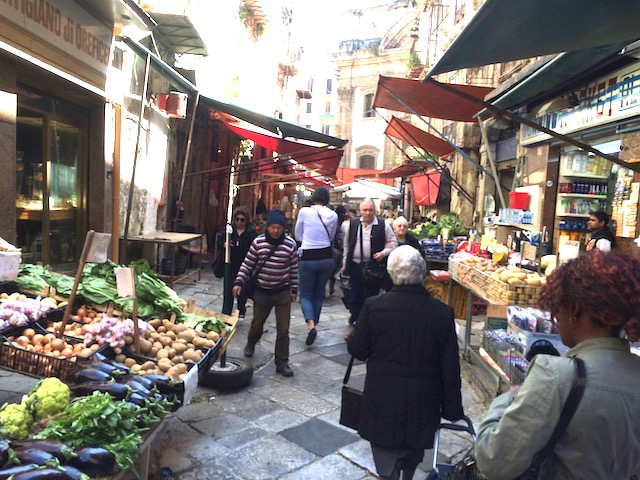
The Sant’Ambrogio Market sits in one of Florence’s oldest neighborhoods, with roots stretching back to the mid-19th century. Stepping inside felt like stepping into living history.
Shoppers wore tailored, business-casual clothing—no sweatpants or hoodies in sight. Vendors called out melodic phrases in Italian, their voices rising above the crowd. The energy was contagious, and the air buzzed with tradition.
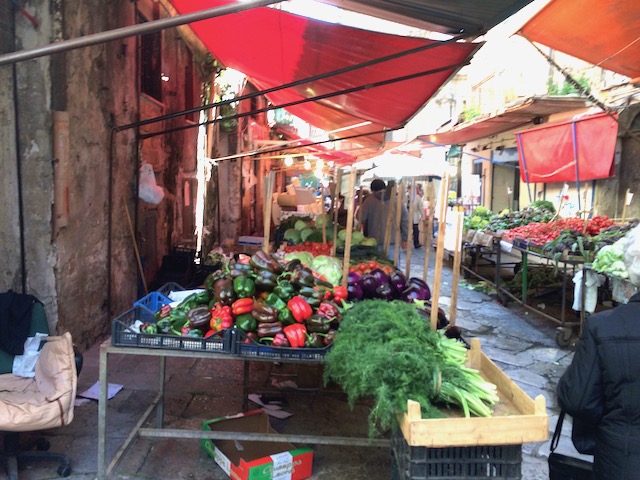
The market unfolded in two parts—outside, where fruit and vegetable sellers sang the praises of their produce (“carchiofi, carchiofi!”), and inside, where stronger aromas and livelier exchanges awaited.
Sights, Smells, and Stories
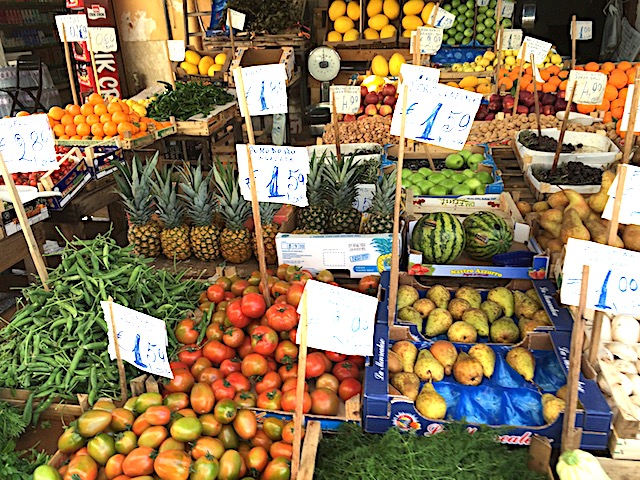
The exterior stalls overflowed with ripe mandarins, lemons, and strawberries. Barrels brimmed with dried figs, apricots, and nuts. An olive vendor displayed rows of glossy varieties—green, black, and stuffed—while neighbors debated prices animatedly. Beyond food, vendors sold leather belts, dresses, and assorted goods, adding variety to the scene.
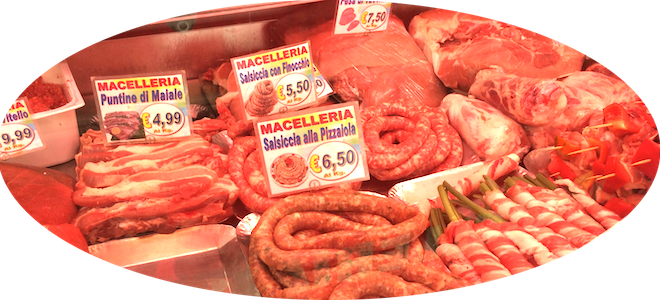
Inside, the experience intensified: pungent meats, freshly baked bread, sweet pastries, and rich coffee all blended into a heady symphony of scents. Hills of Parmesan and Romano towered over the cheese counters. Chickens—heads intact—hung beside glistening cuts of tripe and cow brains. It was a feast for the senses, both fascinating and, at times, overwhelming.
The Lampredotto Mystery
Curious but clueless, we eventually found a cheerful baker surrounded by trays of cookies and golden loaves of focaccia. In a mix of Italian and broken English, he explained the secret of lampredotto.
His mother, he said, would simmer carrots, tomatoes, onions, celery, and cow stomach for hours, creating a hearty stew often tucked into sandwiches. What sounded unappealing at first revealed itself as a traditional dish born of necessity and transformed into comfort food.
Before leaving, I bought a blackberry pastry dusted with powdered sugar. Warmed in his oven and shared with Shobani, it was the sweetest reward for solving our culinary riddle.
Conversations Over Coffee
Our final assignment was to interview a local. At a small coffee bar, we approached a kind elderly couple enjoying sandwiches and espresso. They welcomed our questions with warmth.
They explained that they had been shopping at Sant’Ambrogio for decades. They preferred it to supermarkets for fresh staples like produce, cheese, and coffee, though they visited supermarkets for household items and imports. Supporting local vendors mattered to them—it was both tradition and principle.
Reflections on Markets and Meaning
That day, I realized how different this was from my U.S. experiences of sprawling supermarkets and occasional farmers’ markets. Open-air markets like Sant’Ambrogio thrive on competition, freshness, and personal connection. Prices were often lower, yet the quality was higher.
It struck me that markets are not only about goods and prices but about culture, history, and identity. Sant’Ambrogio has been part of Florentine life since the 1800s, linking generations through food and exchange.
Beyond economics, this market revealed something profound: markets are places of human connection, where tradition meets necessity and where culture lives on in every loaf of bread, wedge of cheese, and call of a vendor.
Closing Thought
Visiting the Sant’Ambrogio Market wasn’t just an assignment. It was a journey through tradition, economy, and culture. More than discovering what lampredotto was, I discovered that a market can tell the story of a city in a way no textbook ever could. Each vendor, each flavor, each story revealed how history, food, and community come together in the most ordinary yet extraordinary of places.


0 Comments