
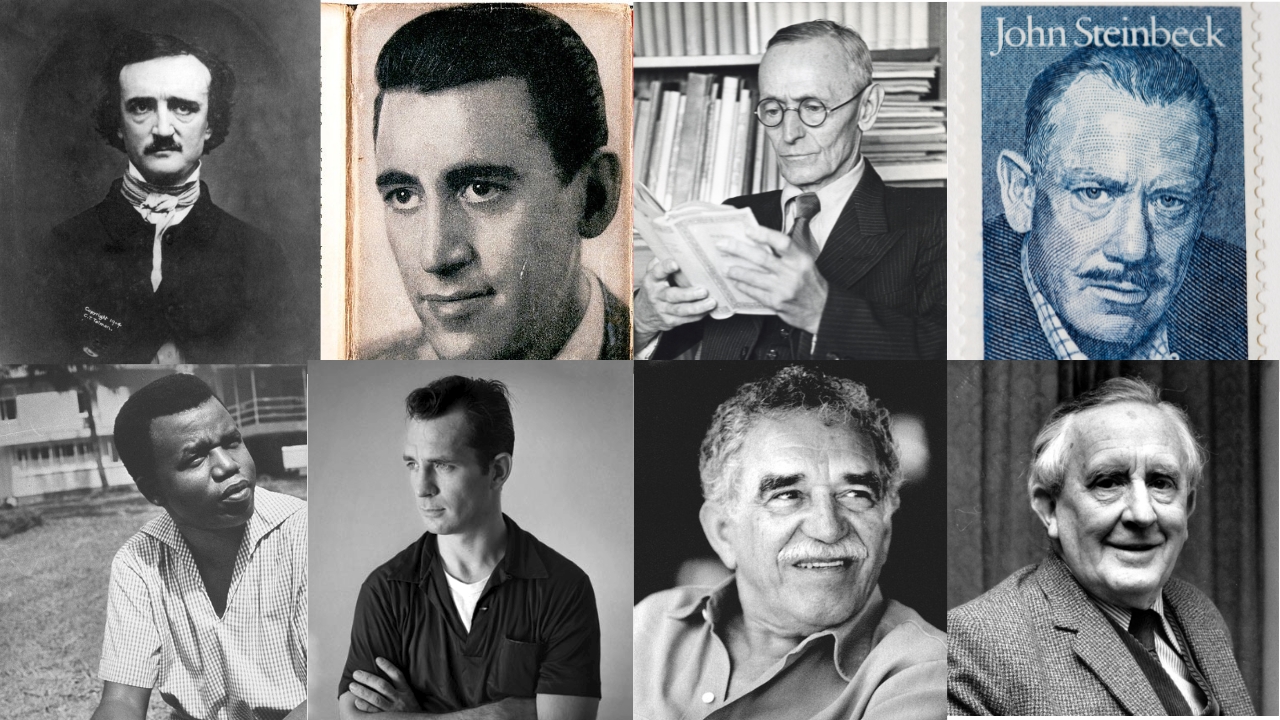
A large part of a writer’s DNA is formed by the books they read. Every story absorbed, every author encountered, leaves an imprint on how we think about language, imagination, and the act of storytelling itself. My own journey through fiction began at a young age and continues to evolve today.
It could be argued that every writer we read becomes an influence in some way. Writers are often asked to name their greatest inspirations. Some devote themselves almost entirely to a single author or literary movement, while others wander more freely through different styles and traditions. I certainly fall into the latter category.
My reading life has always been eclectic. I move between genres and forms—from magazines to novels, poetry to memoirs. As a history major in college and later pursuing an MA in history, I spent many years immersed in non-fiction.
My curiosity also led me into philosophy, science, and new intellectual ideas. Yet as I have increasingly turned toward writing fiction after many years of focusing on non-fiction, it feels natural to reflect on the novelists and storytellers who shaped my literary imagination.
Poetry deserves its own discussion, and I plan to explore that influence in another essay.
Early Encounters with Literature
Throughout my life, certain writers have dominated particular phases of my reading.
One of my earliest literary experiences came when my mother read the entire Lord of the Rings trilogy to me before I was ten years old. It was a profound introduction to storytelling that ignited my imagination and awakened a deep appetite for literature.
I also fell in love with Roald Dahl’s work and revisited it as an adult after discovering his short stories crafted for grown-ups.
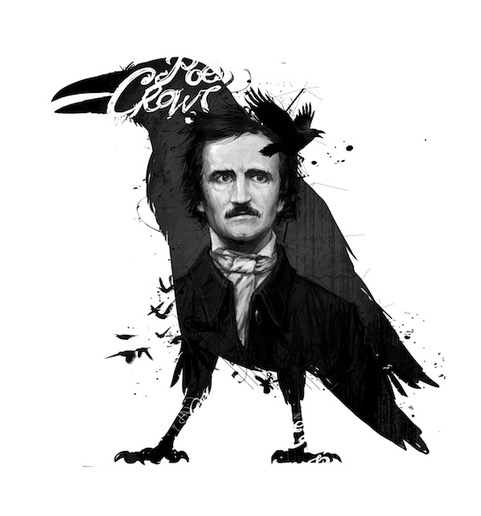
Not long after, while still quite young, I discovered the dark brilliance of Edgar Allan Poe. I began with illustrated adaptations of classics such as The Tell-Tale Heart and The Pit and the Pendulum before graduating to the original texts. Poe not only frightened and fascinated me; he pushed me to expand my vocabulary. I remember reading his stories with a dictionary at my side, determined to fully grasp his haunting ideas and precise prose.
In many ways, this marked my first step into the adult world of reading.
The Books That Arrive at the Right Time
Some books arrive in our lives exactly when we need them.
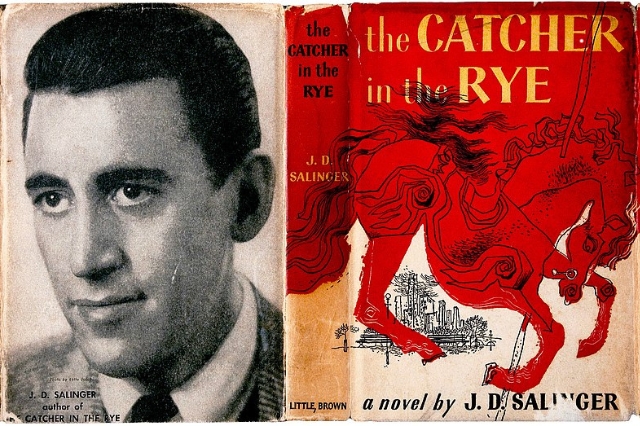
For me, one of those moments occurred at fourteen when I read The Catcher in the Rye. The novel seemed almost deliberately placed in my path at the perfect time. After finishing it, I immediately picked up Franny and Zooey, though I abandoned it halfway through, finding it less appealing at that stage of my life.
Years later, I returned to J. D. Salinger and discovered a deeper appreciation for his work, particularly in Nine Stories. Stories such as “For Esmé—with Love and Squalor” and “A Perfect Day for Bananafish” revealed his remarkable ability to capture fragile emotional worlds with subtlety and compassion.
Like many readers, I remain curious about the unpublished material Salinger left behind, and I look forward to seeing what his son may eventually bring to light.
Discovering the Transformative Power of Fiction
Another pivotal moment came several years later during college when I read On the Road. The experience echoed the transformative power I had felt when reading The Catcher in the Rye. Kerouac’s restless energy and free-flowing style drew me deeper into his work.
After devouring several of his books, however, Big Sur shook me. Its emotional intensity and lingering sense of despair stayed with me long after I finished reading it, eventually pushing me to step away from Kerouac for a time.
During this same period, the works of Hermann Hesse played an important role in my reading life. Narcissus and Goldmund remains one of the books I cherish most, while Siddhartha opened the door to Eastern philosophy—a fascination that continues today.
Hesse had an extraordinary ability to communicate profound ideas with remarkable simplicity. The calm, reflective feeling I experienced while reading Siddhartha is something I still hope to rediscover.
The Enduring Power of American Literary Masters
Among the American writers who left the deepest impression on me are Ernest Hemingway and John Steinbeck.
Hemingway’s The Sun Also Rises captured a sense of restless searching that reminded me, in some ways, of a precursor to On the Road. The Old Man and the Sea dazzled me with its precision and emotional power, while A Moveable Feast offered a rich portrait of artistic life.
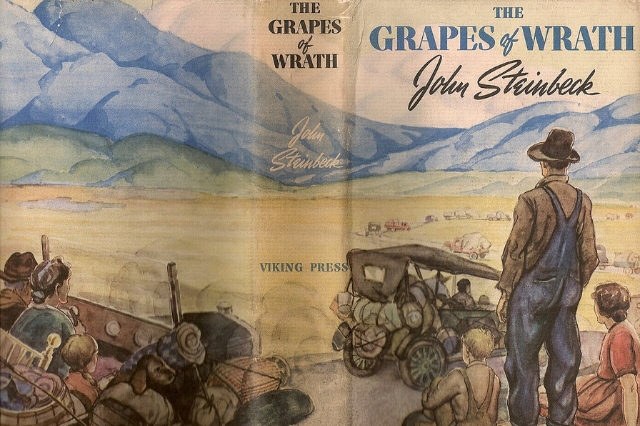
Yet it was Steinbeck who ultimately left the most enduring mark. The Grapes of Wrath overwhelmed me with its emotional depth and moral force. I delighted in the outsider characters of Tortilla Flat, and admired the spare elegance of The Pearl. Like many readers, however, I sampled portions of each author’s work before drifting toward new literary horizons.
Discovering the Magic of Latin American Literature
My introduction to Latin American literature began with The Alchemist. Much like The Pearl, it demonstrated how a small book could communicate powerful ideas with remarkable economy.
Although I read several other works by Paulo Coelho afterward, none quite matched the impact of that first encounter. Still, I remain curious to revisit his writing someday.
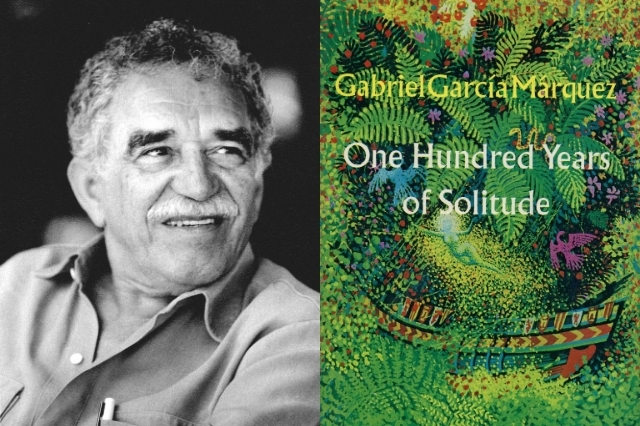
From there, I discovered Gabriel García Márquez and his masterpiece One Hundred Years of Solitude, which remains one of the finest novels I have ever read. Through the multi-generational story of the Buendía family, Márquez created a world of magical realism unlike anything I had previously encountered.
Another sweeping literary epic that captivated me was The War of the End of the World by Mario Vargas Llosa, based on the Canudos rebellion in Brazil. Not long after reading the book, I had the privilege of hearing Vargas Llosa speak at the City College of New York while he was receiving an honorary degree—an experience that made the work feel even more vivid.
Among more contemporary writers, Roberto Bolaño struck me as particularly electrifying. After reading The Savage Detectives, I felt an immediate hunger for more of his work, though I have only managed to find Antwerp so far.
Junot Díaz also left a strong impression on me. The Brief Wondrous Life of Oscar Wao was extraordinary, though his short story collection Drown may have carved an even deeper place in my imagination.
Powerful Voices from Africa
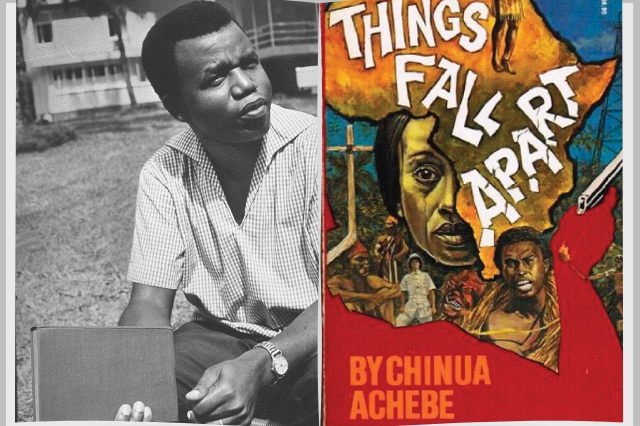
Another important milestone in my reading life came when I discovered Chinua Achebe’s Things Fall Apart. Often compared to a Greek tragedy, the novel offers a powerful exploration of culture, colonialism, and personal downfall.
It remains one of the most illuminating windows into African life that I have encountered in fiction. I later acquired Achebe’s Anthills of the Savannah, though I have yet to read it.
More recently, I explored African-influenced fiction through Teju Cole’s Open City. The novel follows Julius, a thoughtful narrator wandering through New York and other cities while reflecting on history, music, and identity. It is a work that sits somewhere near autofiction—quiet, reflective, and intellectually rich.
Cole, who spent much of his youth in Nigeria, is not only a gifted novelist but also a photographer and public intellectual. His essay “The White-Savior Complex” sparked significant discussion and remains a powerful critique of Western narratives about Africa.
Like many readers, I recognize that there are still large gaps in my literary education, particularly in the voices of writers of color. Continuing to explore authors like Achebe and Cole is one way I hope to address that gap.
Expanding My Reading to Include More Female Voices
In recent years, I have also made a conscious effort to read more works by female authors.
While taking a MasterClass with Joyce Carol Oates, I found myself reading more of her work and gaining a deeper appreciation for why she commands such immense respect in the literary world.
Jennifer Egan has also provided some of the most enjoyable reading experiences I’ve had in recent years. After being thoroughly captivated by The Keep, I moved on to A Visit from the Goon Squad and quickly understood the excitement surrounding her writing. She is certainly an author whose work I plan to continue exploring.
I continue to seek out female writers with unique perspectives, and part of that journey led me to Danielle Evans, whose collection, which included the novella, The Office of Historical Correction, I found interesting and served to update me on many contemporary issues. I will keep discovering female voices in this journey to become more well-rounded in my reading life.
Remaining an Omnivorous Reader
As I have become more serious about writing fiction myself, I have often heard writers recommend focusing intensely on a single literary influence. While that approach can be rewarding, it also risks becoming a creative trap, allowing another writer’s voice to seep too deeply into one’s own.
For that reason, I remain grateful for my wide-ranging and somewhat unplanned literary promiscuity. I have never devoted myself to a single literary hero, and I suspect I never will. Steinbeck is probably as close as it has ever been as I continue to return to the man whom I have read since high school, but still, I’ve read fewer than half of his life’s work.
For now, I prefer to remain an omnivorous reader—sampling widely from the vast buffet of literature that continues to inspire, challenge, and delight.
After all, there are far too many remarkable books in the world to limit oneself to only a few. How about you? What are the books and writers who have shaped your life?
0 Comments