
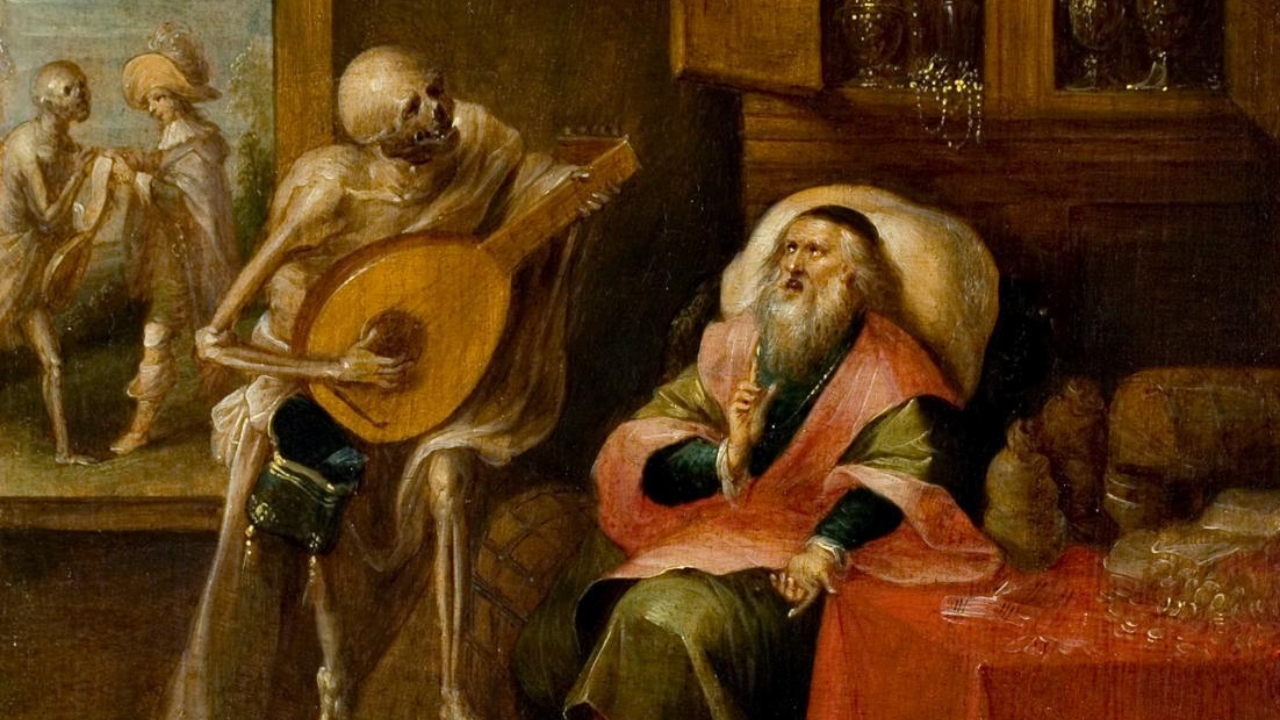
We dance to let go—to escape, to express, to answer the irresistible pull of music. Rhythm carries us, beauty disarms us, and for a moment, we surrender to something larger than ourselves. Yet beneath this joy lies a quieter truth: our attraction to rhythm mirrors something deeper, something unavoidable. Like music, death follows a rhythm of its own.
The Breath That Frames a Life
In yoga, we are taught a simple cycle: inhale, hold, exhale. Within this pattern lies a powerful metaphor for existence. The first breath marks our arrival into life. The held breath reflects the span of our living. And the final exhale—inevitable, ungraspable—is death.
This rhythm is not abrupt or unnatural. It is structured, cyclical, and essential.
The Dance of Creation and Destruction
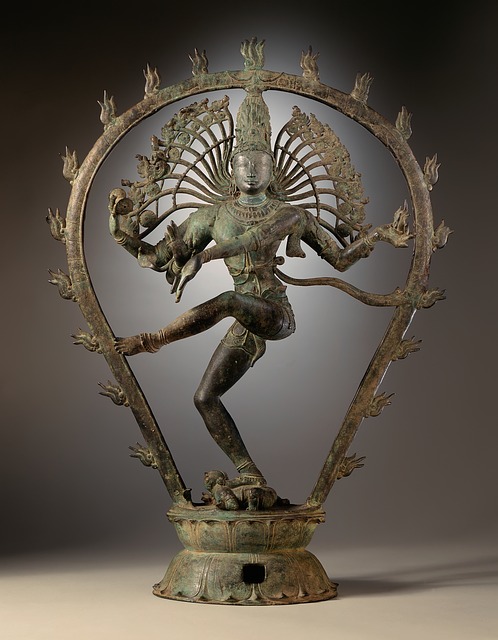
While dancing to music is a choice, we all move to the rhythm of mortality. In Hindu tradition, the god Shiva embodies this truth through his cosmic dance. His movement is not merely destruction—it is transformation. The old must fall away so that the new can emerge.
This same rhythm is visible in the natural world. A walk through the woods reveals it clearly: decay is not an end, but a process. Fallen leaves, decomposing plants, and lifeless organisms nourish the soil, giving rise to new life. Death is not separate from life—it is one of its most vital movements.
The Pause Within the Universal Song
Death may feel like an ending, but it is better understood as a pause—a break in an individual rhythm within a larger, ongoing composition. Life continues, the music does not stop, but a single note fades into silence.
In this way, death is not outside the rhythm of the universe. It is part of its structure—a necessary off-beat that gives shape to the whole.
Music as a Companion to Farewell
Across cultures, music accompanies death. It helps us process loss, honor memory, and give form to grief. Hymns like Amazing Grace and Taps are often heard at funerals, their melodies carrying sorrow, reverence, and reflection.
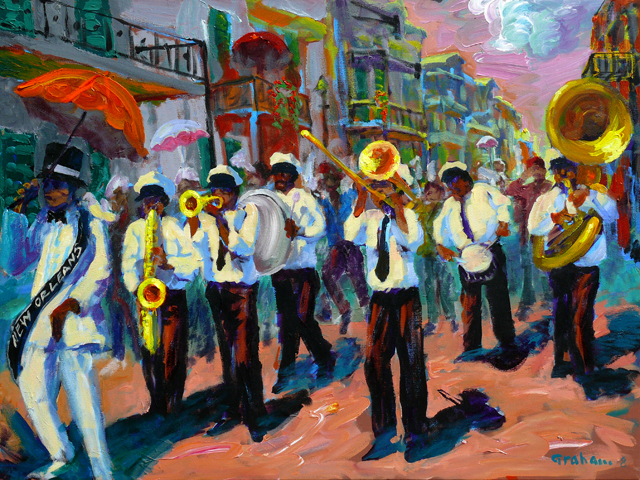
Yet not all traditions mourn in silence. In places like New Orleans, funerals become celebrations—processions filled with music that begins in solemnity and rises into joy. These rituals acknowledge death while affirming life, transforming grief into movement, into rhythm, into dance.
Learning to Dance With Death
Whether solemn or celebratory, music remains intertwined with how we understand death. It gives shape to something otherwise intangible. More than that, it offers a metaphor: death, like rhythm, is not something we can escape—it is something we must eventually follow.
We may not choose the moment the music changes, but we can choose how we move with it.
In the end, life is not about avoiding the rhythm. It is about learning, in our own way, to dance with it.

0 Comments